London is a great city to visit on a budget. Yes, really.
It has a reputation for being expensive, and it’s earned. Eat out at the pricey restaurants and book tons of activities, and the bill climbs fast. But the best of the city can be seen for absolutely free.
There are so many free things to do in London, and many beat the paid ones. You don’t need to pay £30+ for the London Eye or the Shard when there are tons of free viewpoints with similar views. One is even higher than the Shard’s viewing platform.
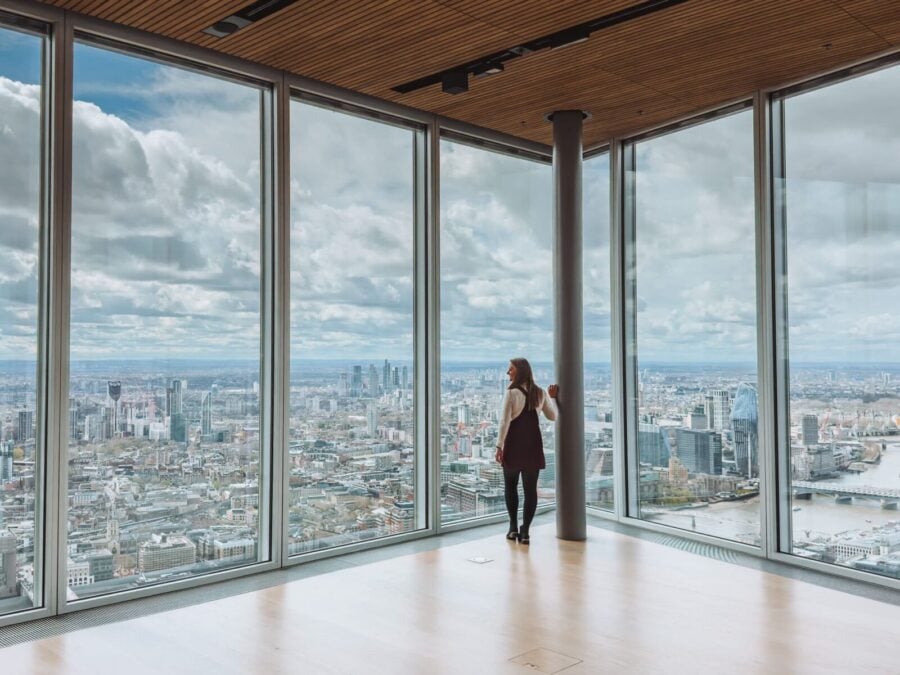
We moved to London from Canada over 8.5 years ago, just as we were starting our careers after travelling. We had no money, but we’d just moved to one of the most exciting cities in the world. There was no way we weren’t going to get out and enjoy it. So we dug out tons of free activities in London. It’s surprisingly easy.
Take meals and accommodation out of the equation, and you could easily spend a weekend in London without spending anything.
In this guide, we share the free places to visit in London that we still go back to. There are a few local secrets and hidden gems we’ve found over the years too. We’ve also included a few popular spots we’d skip, and we’ll say why in each one.
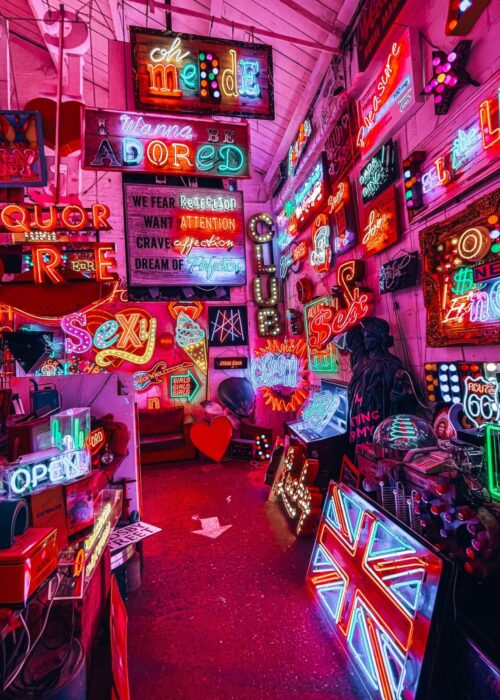
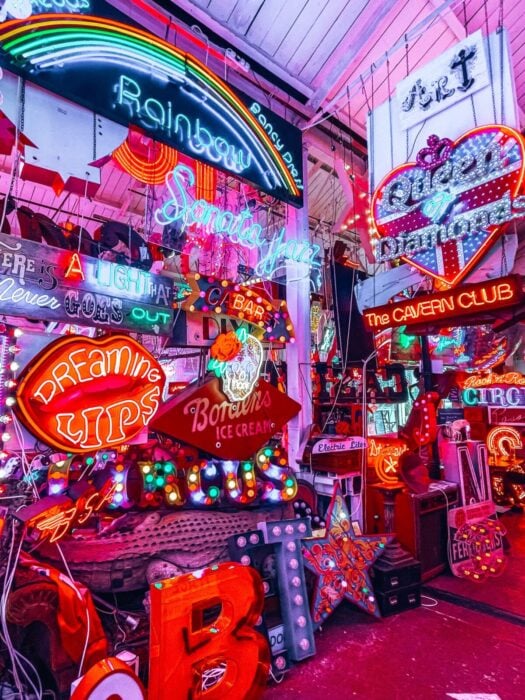
The best free things to do in London are its viewpoints, museums, parks and markets, plus quirkier finds like Leake Street Tunnel, God’s Own Junkyard and the Seven Noses of Soho. Our favourites are the Garden at 120 for the view, the City’s tiny alleyways to see the contrast of old and new, and Eden Dock for a peaceful break among the skyscrapers.
Every place in this guide is pinned in our Local’s Map of London, sorted into viewpoints, hidden gems, tourist sights, museums, parks and walks, and markets. Free places are marked as free, so you can see what’s close by while you’re out.
Want every place in this guide on your phone?
Every place in this guide is pinned in The Local's Map of London, sorted into viewpoints, hidden gems, tourist sights, museums, parks and walks, and markets. Free places are marked as free, and for tourist sights we say whether you can skip them and why.
📍 Get my London map →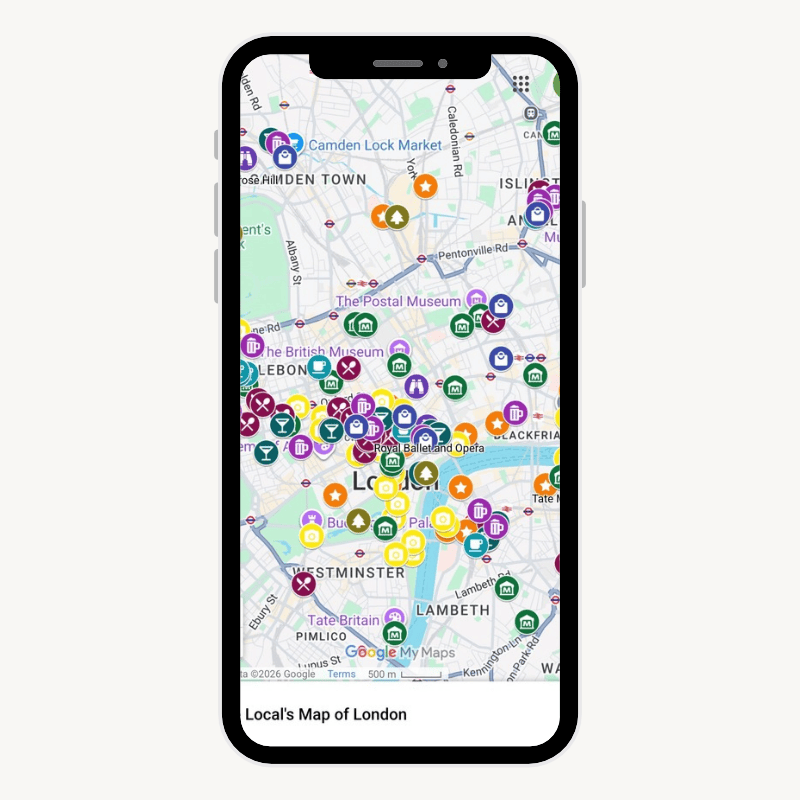
Seeing the city from above is one of the best free activities in London, and not everyone knows these viewpoints exist.
You actually don’t need to pay for London’s expensive viewpoints. The London Eye and the Shard look much better as part of the view than from them, and the free viewpoints are just as good (if not better).
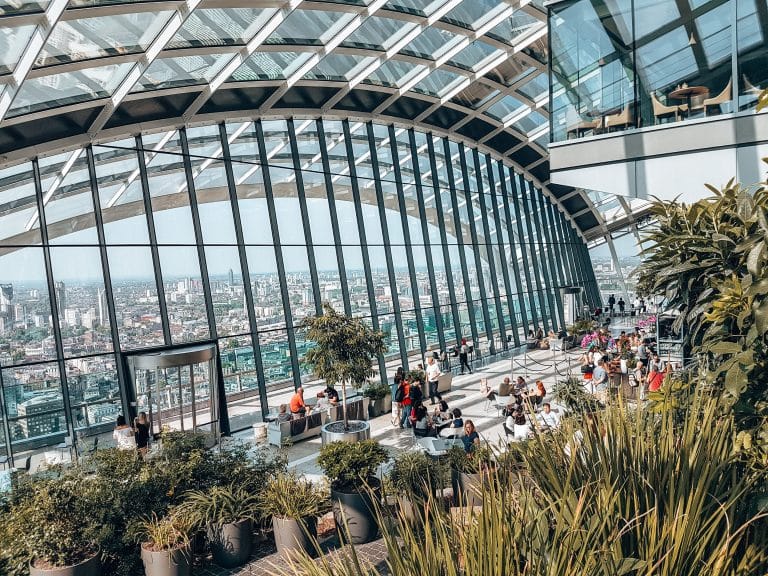
The Sky Garden is the most well-known, and we do like it for the lush gardens and outdoor terrace, which some of the others don’t have. But it gets very busy, and tickets are hard to get. Free tickets are released on Mondays, 3 weeks ahead.
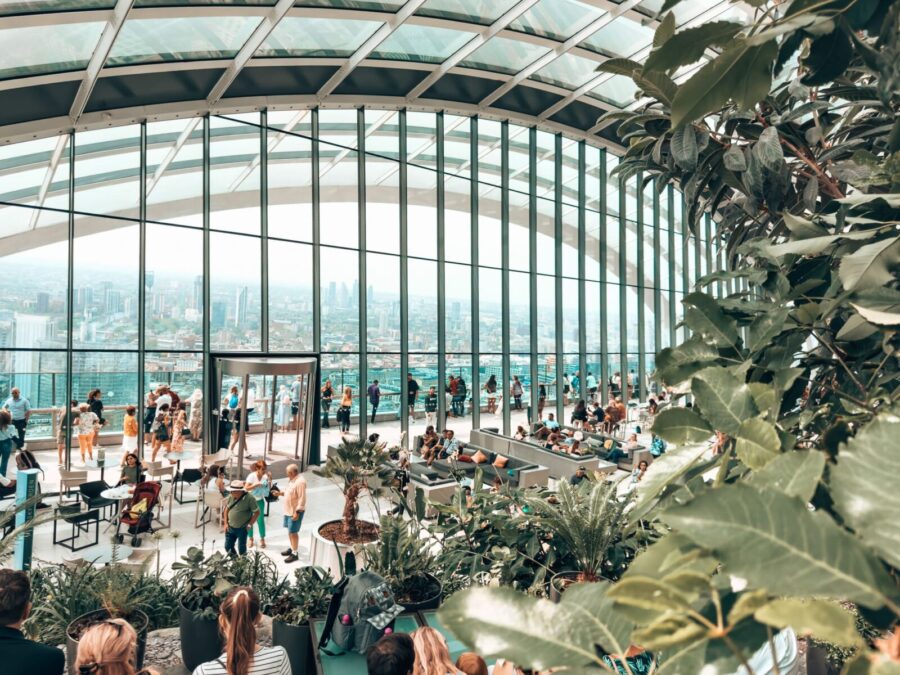
Horizon 22 and The Lookout are similar and good alternatives. Tickets are released on Mondays, 2 weeks ahead. Horizon 22 is 254 metres high, which actually makes it higher than the Shard’s viewing platform at 244 metres.
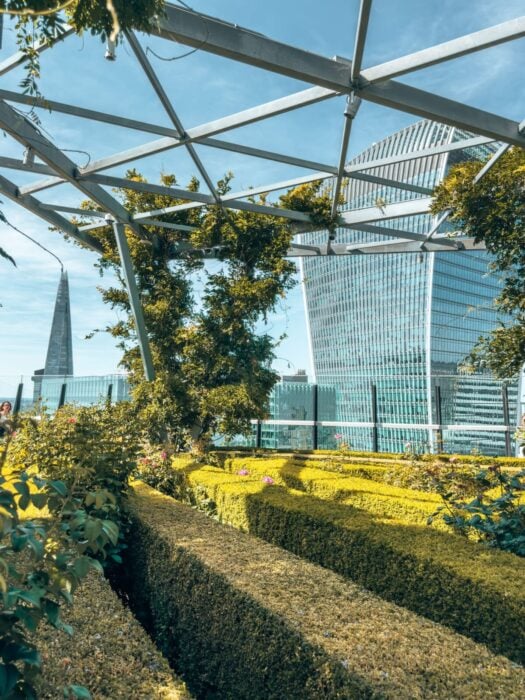
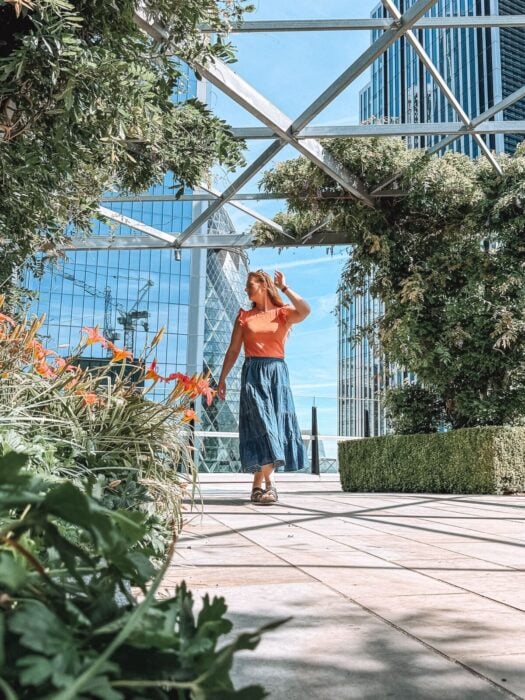
The Garden at 120 is also one of our favourites. You look down on the city, but you also look up at the skyscrapers towering above you. Wisteria, fruit trees and a water feature fill the roof garden. It’s free with no booking, but opening hours change throughout the year, so check before you go.
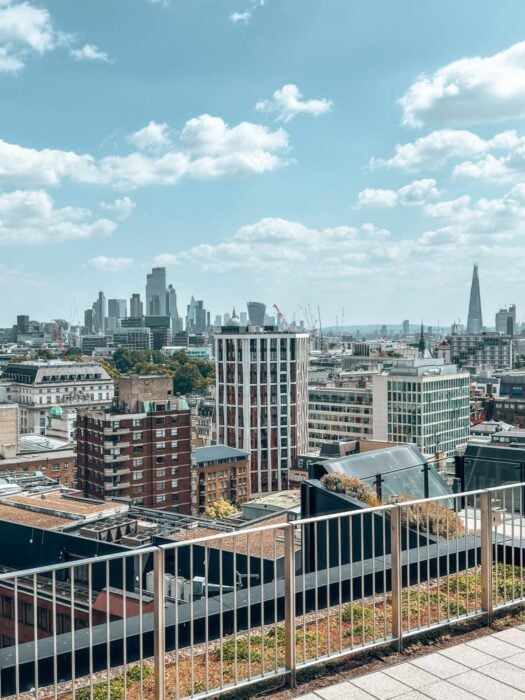
The Post Building near Holborn is great for a view of the City rather than from it. We’ve been twice and had the whole place to ourselves. You need photo ID to get in.
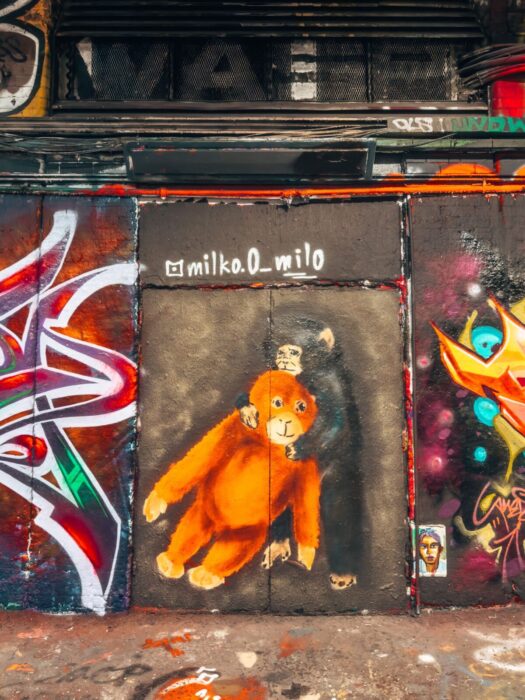
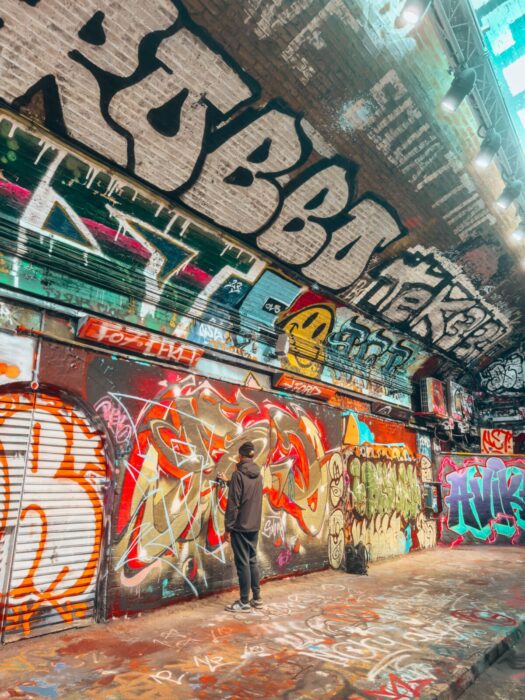
Leake Street Tunnel is one of the best free places to visit in London, and most tourists have no idea it’s here. It’s a 300-metre tunnel right by Waterloo Station, and one of the few places in London where graffiti is legal.
Before 2008, it was a forgotten service road beneath the station. Then Banksy organised the Cans Festival here and invited street artists from around the world to paint the walls. It’s been a legal graffiti tunnel ever since.
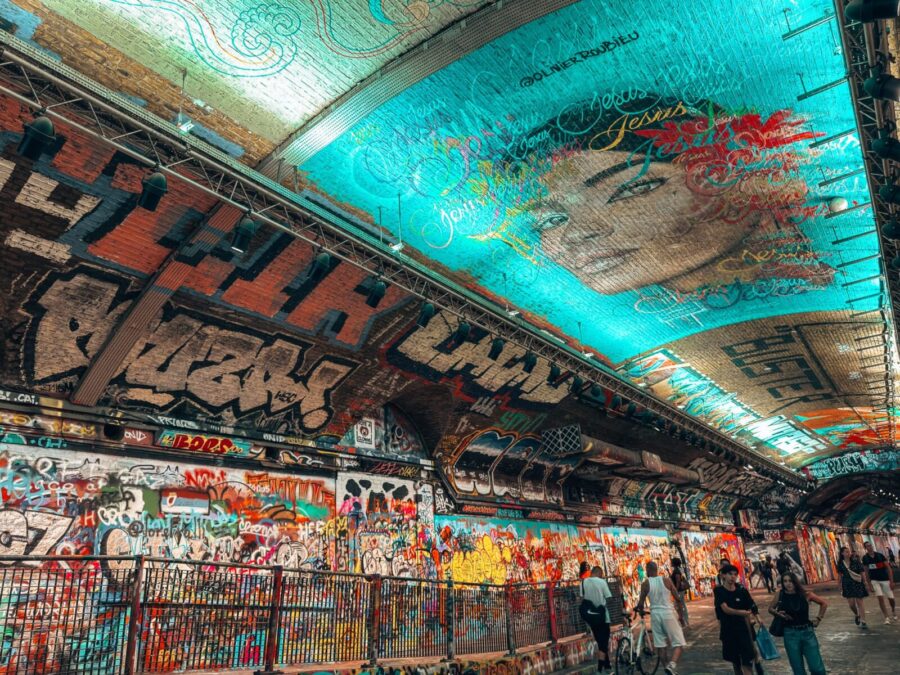
The artwork changes constantly as new pieces are painted over old ones, and you’ll probably see artists spray painting while you’re there. The arches along the tunnel also hold bars, cafes and venues, including a board game bar and an immersive theatre.
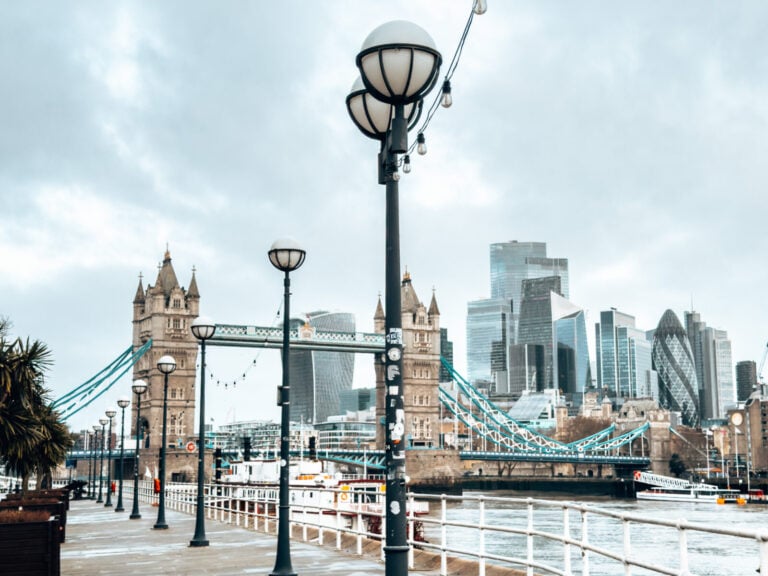
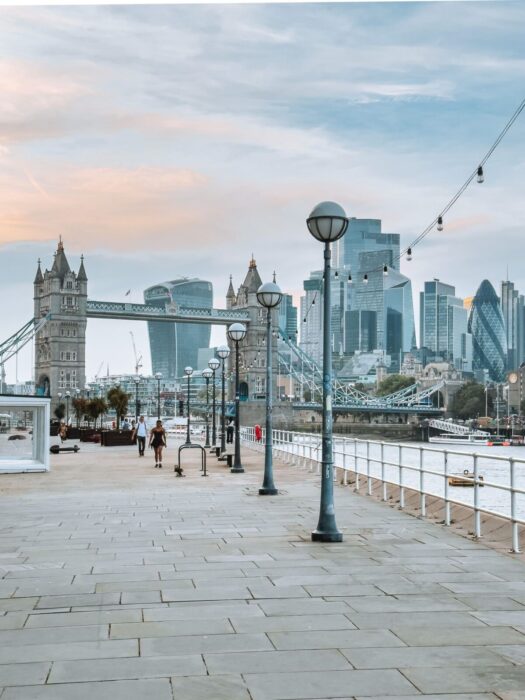
No matter how long we live in London, we’ll never get over how impressive Tower Bridge is. It opened in 1894, and it’s still a working bridge that lifts for tall ships. It’s one of the best free things to see in London, and you can walk across it in a few minutes.
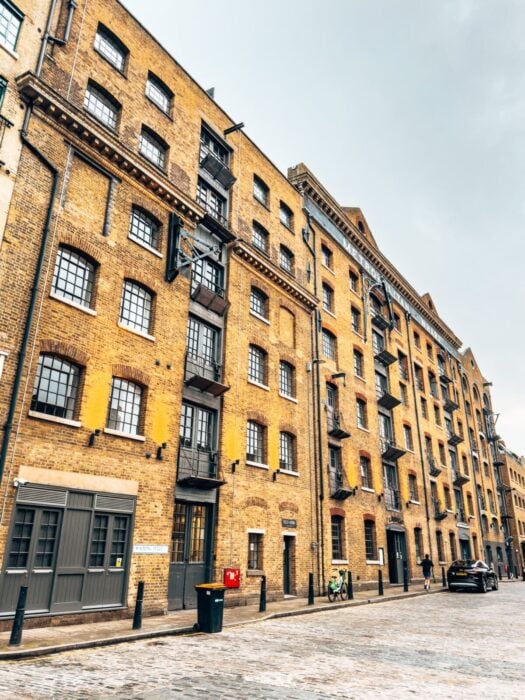
For one of the best views, head to Shad Thames on the south side. Look back along the waterfront to also see the City behind it. See the bridge in the day and again at night to really appreciate it.
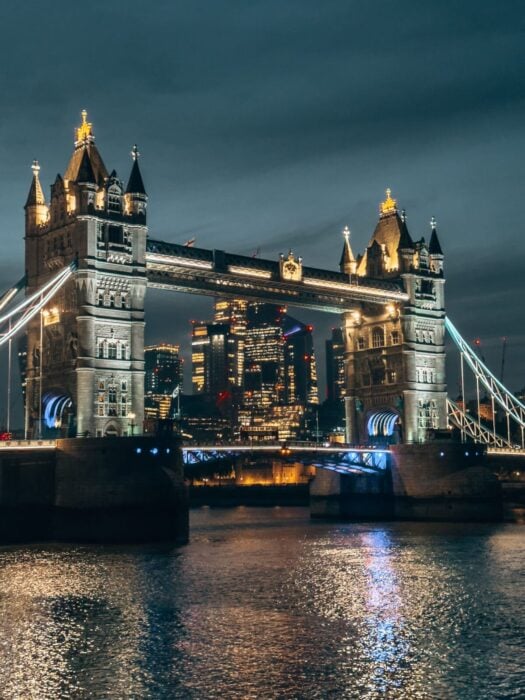
If you want to see Tower Bridge from the inside, the Tower Bridge Exhibition takes you up to a glass walkway 42 metres above the Thames. You can look straight down at the boats and traffic passing beneath your feet. There are views to St Paul’s, Canary Wharf and the Tower of London, and you can also see the Victorian engine rooms.
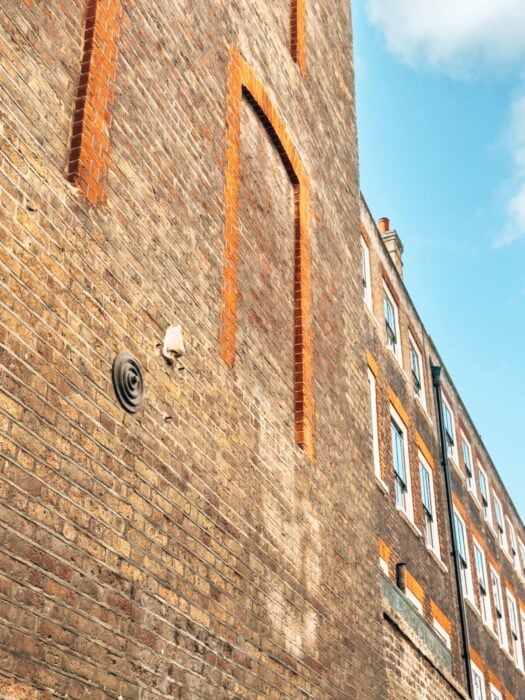
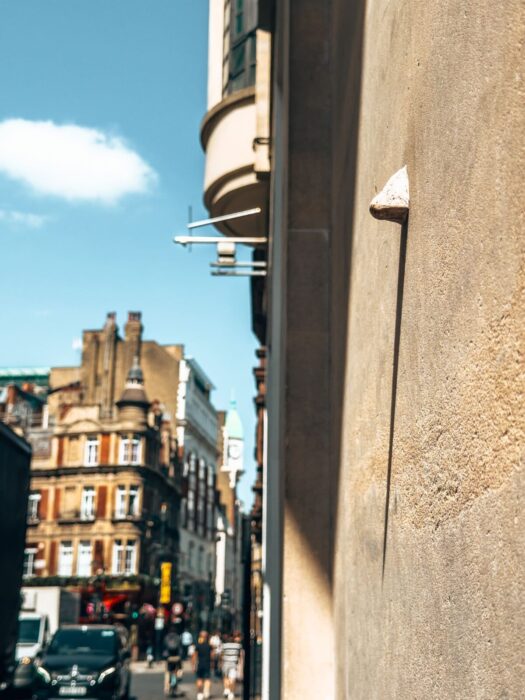
The Seven Noses of Soho are one of London’s strangest free treasure hunts. In 1997, artist Rick Buckley stuck around 35 casts of his own nose to buildings across London as a protest against CCTV cameras. He painted them to match the walls, kept it secret for 14 years and only admitted it in 2011.
7 survive, and you’ll find them on Admiralty Arch, Bateman Street, Dean Street, Endell Street, Meard Street, Great Windmill Street and D’Arblay Street (although this one may have gone).
Legend says whoever finds all 7 will become rich (this was before people knew why they were there). The Admiralty Arch nose has its own myths, including that it’s Napoleon’s nose or a spare for Nelson’s statue.
It’s one of the most fun free things to do in London, and a good excuse to explore Soho. Combine it with stops at pubs, cafes and restaurants, and make a day of it.
London’s national museums are free to enter, and they’re great free activities to do in London, whatever the weather.
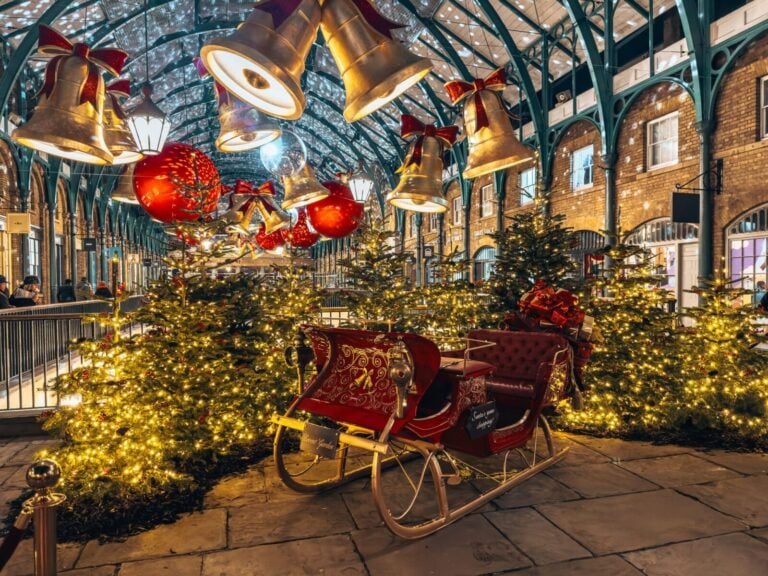
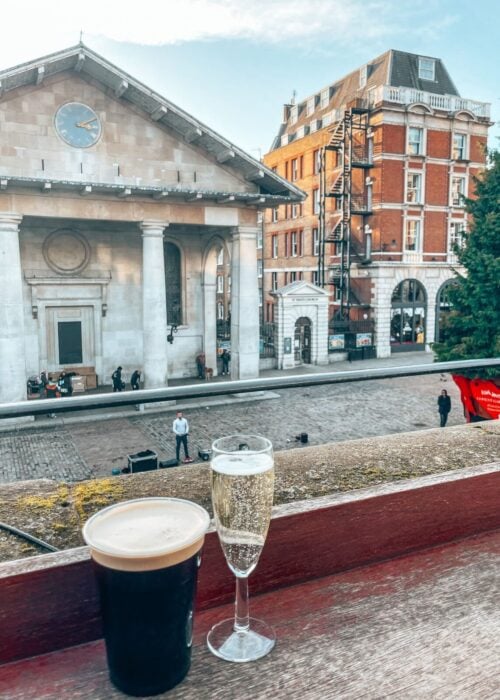
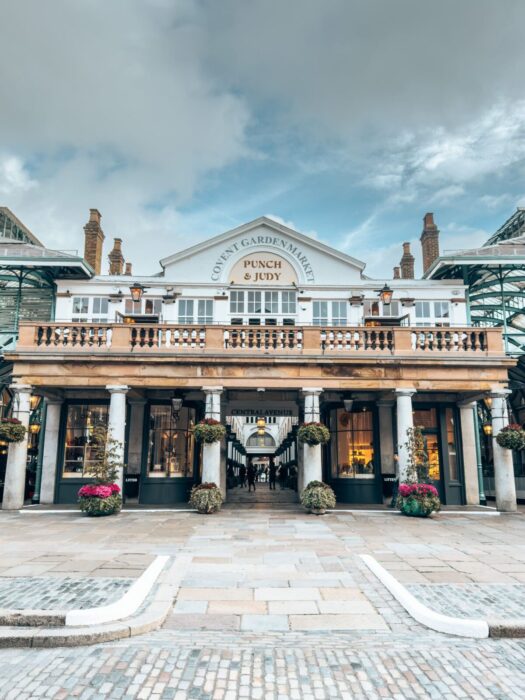
Street performance has been part of Covent Garden since at least 1662, when Samuel Pepys wrote about a Punch and Judy show here. It’s the first mention of one in Britain. Today, performers audition for a slot, and there are shows every day except Christmas Day, from magicians and jugglers to musicians.
It’s one of the great free things to do in London, and although it’s touristy, there’s always a lovely atmosphere.
Our Top Tip: The best view is from the balcony at the Punch & Judy pub, which is named after the show Pepys saw. It can get busy, but people tend to have 1 drink and then leave, so you can usually get a spot outside fairly quickly. It’s also great value for the location.
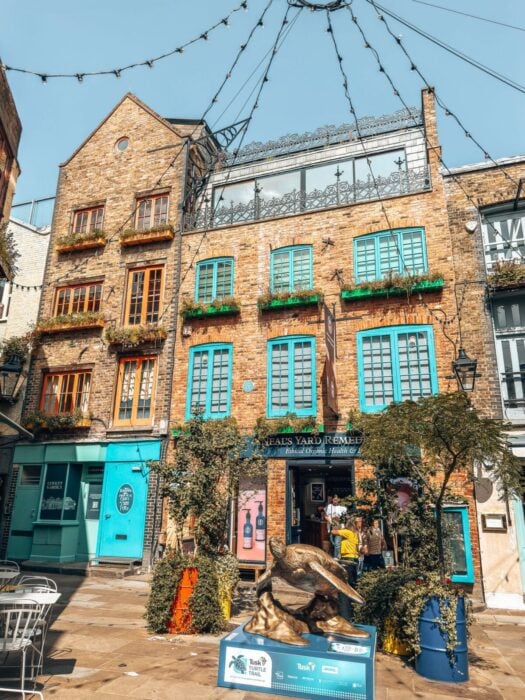
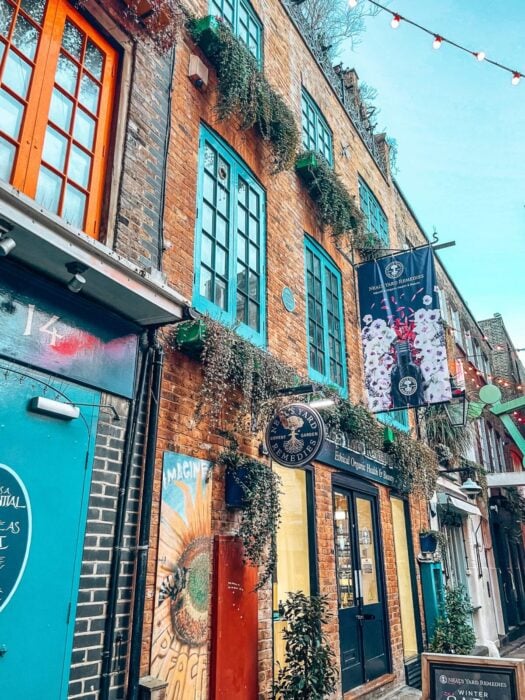
Neal’s Yard is one of London’s prettiest streets, with colourful buildings, independent cafes and bakeries around a small courtyard in Covent Garden.
Until the mid-1970s, it was a rat-infested yard of derelict warehouses that served the Covent Garden fruit and vegetable market. Then Nicholas Saunders bought a warehouse in 1976 and opened a wholefood shop. That grew into Neal’s Yard Dairy, Monmouth Coffee and Neal’s Yard Remedies, and into the courtyard you see today.
People still try to pass it off as a hidden gem, but it hasn’t been for a long time. It gets very busy, especially with photographers and influencers, so go early if you want it quieter. It’s still very pretty, and it remains one of the nicest free things to see in London.
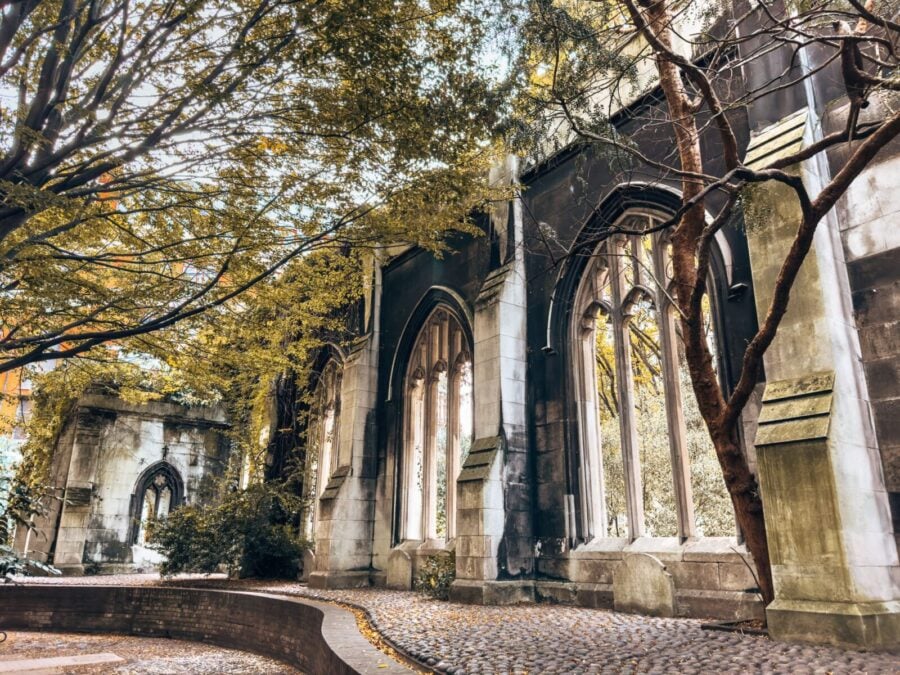
St Dunstan in the East is a ruined church that’s now a quiet garden, tucked away near Tower Hill and Monument. It’s one of the most atmospheric free things to visit in London.
A church has stood on this site since the 12th century. It was badly damaged in the Great Fire of London and rebuilt, with a tower and steeple by Christopher Wren, then bombed in the Blitz in 1941.
Rather than rebuild it again, the City of London turned the ruins into a public garden. Ivy now climbs through the empty Gothic windows. Our full guide covers the best times to visit and everything you need to know.
Many of the free things to see in London are the big sights, and you can see them from the outside.
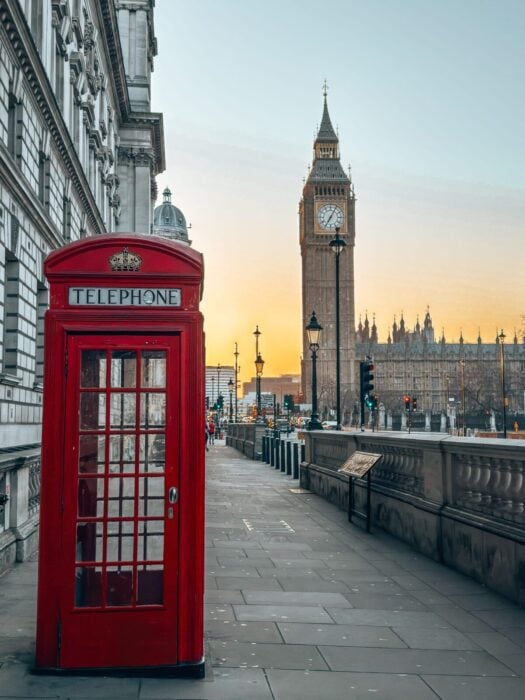
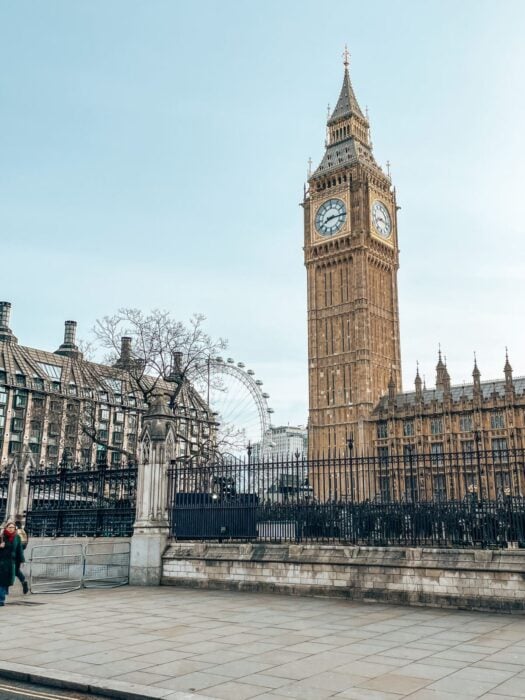
Big Ben and the Houses of Parliament are the most recognisable, along with Westminster Abbey, Trafalgar Square and Piccadilly Circus.
For the classic red telephone box photo with Big Ben behind it, go to Parliament Square. Get there very early, or you’ll be queuing for ages. Another great view of Big Ben and Parliament is from under Westminster Bridge. It used to be a local secret, but now you’ll probably have to queue.
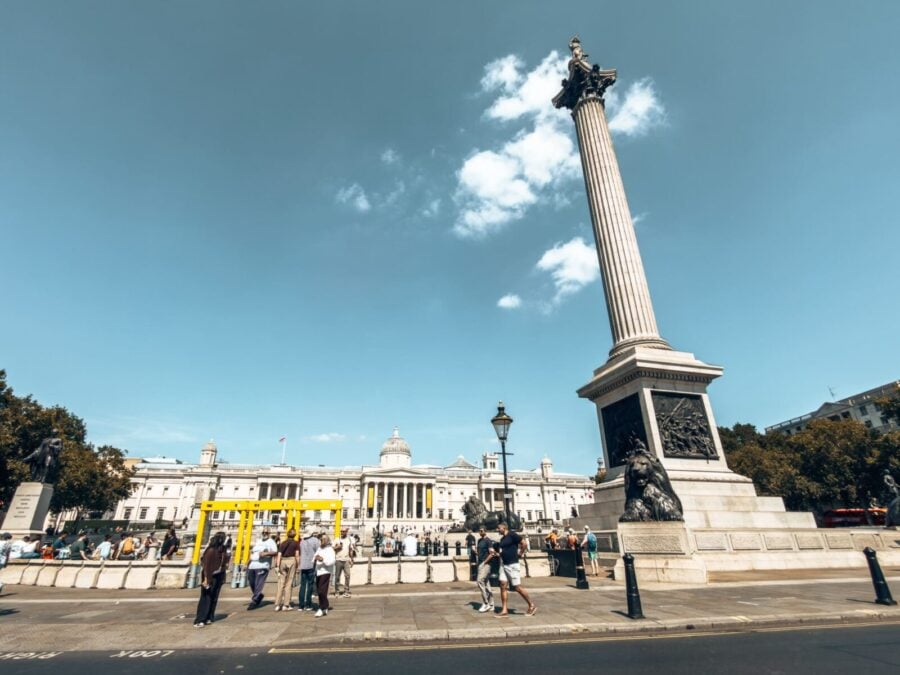
Trafalgar Square is free to see, and so are the events held there. I wouldn’t recommend going out of your way to see Piccadilly Circus; it’s quite underwhelming and always very busy. You’ll probably walk through it naturally at some point, though.
Big Ben, the Houses of Parliament and Tower Bridge look very different from the water. The Thames cruise sails past Parliament and under the bridges, with commentary on the stories behind each landmark. The 24-hour ticket lets you hop off at Westminster, the London Eye, Tower or Greenwich piers.
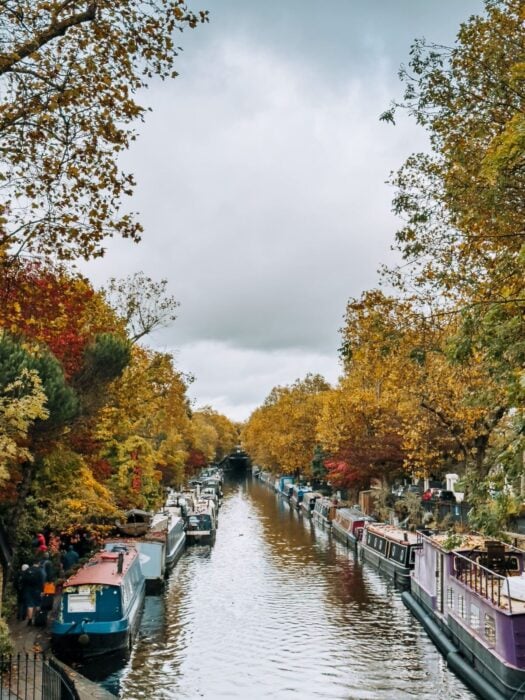
Little Venice is one of the most peaceful places to visit in London for free. It’s where the Grand Union and Regent’s Canal meet, just north of Paddington. Tree-lined canals, colourful houseboats and white stucco houses make it feel a world away from central London.
A lovely walk runs from Paddington to Regent’s Park through Little Venice. Stop at Laville for a drink or lunch with a view over Regent’s Canal. The restaurant literally sits above the water, so you can watch the houseboats floating underneath you. The food is really good too.
It’s beautiful at any time of year, but autumn is our favourite, when the trees turn red and orange.
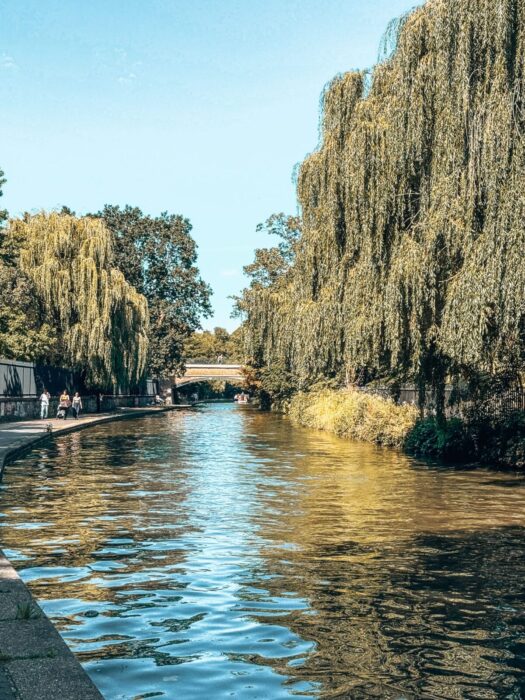
Walking along the canal is free, but seeing Little Venice from the water gives you a different view. This 90-minute canal cruise goes through a working lock, past London Zoo and Regent’s Park, and through a short canal tunnel to Browning’s Island at Little Venice. A guide gives live commentary along the way.
Look up on Philpot Lane, and you’ll find one of London’s most unusual free things to do. It’s London’s smallest sculpture: 2 mice fighting over a piece of cheese. They sit at first-floor level on the corner of 23 Eastcheap, and it’s easy to walk straight past them.
The story goes that when this building was constructed, 2 workers got into a fight after each suspected the other of stealing their sandwich, and fell to their deaths. It was later discovered that it had, in fact, been mice that ate the sandwiches, and the sculpture was carved to commemorate the men.
Another story is that one of the workmen wanted to play a joke and create this sculpture after the building was constructed to confuse passers-by forever.
Whatever the truth, it’s a nice little sculpture to see.
The Sky Garden’s entrance is on Philpot Lane, so it’s easy to combine them.
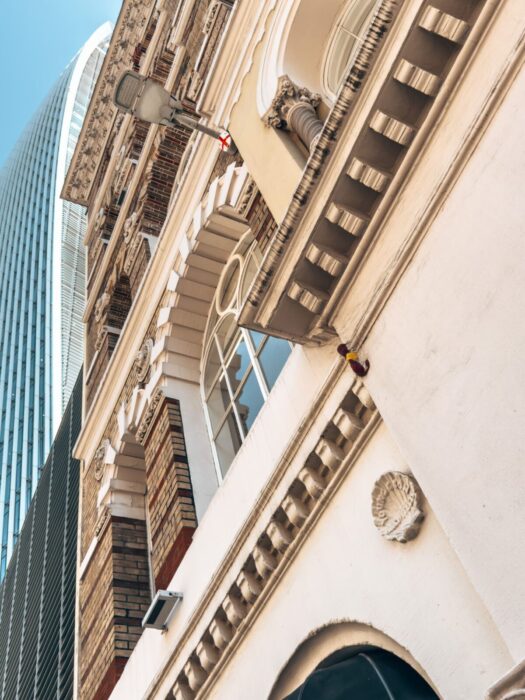
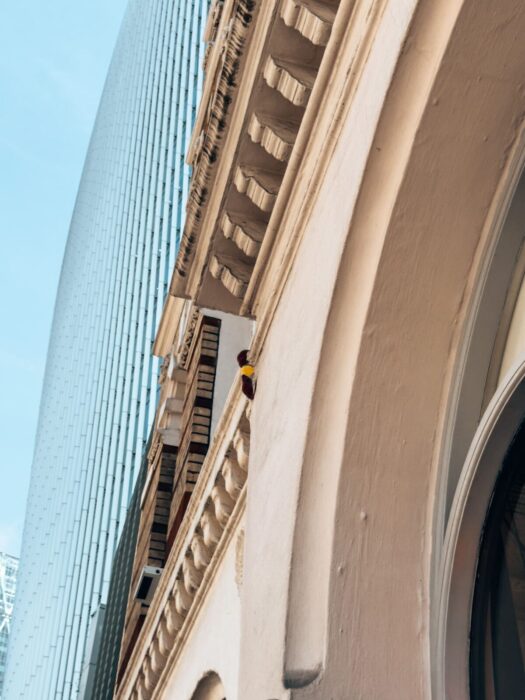
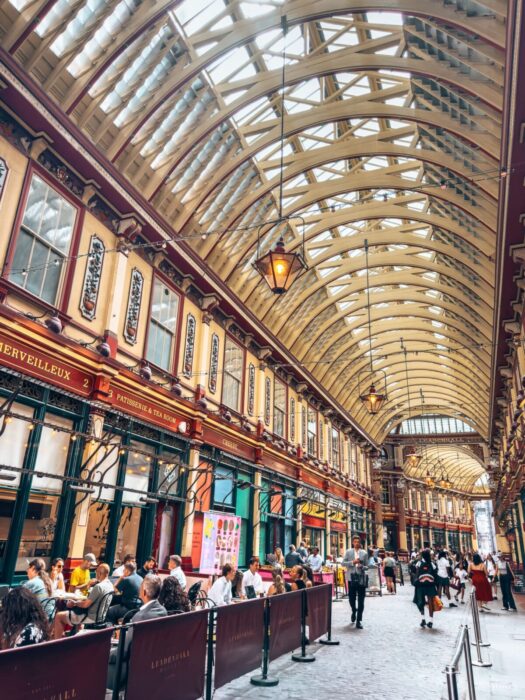
Leadenhall Market is one of the most beautiful places to visit in London for free, and it looks even better with the skyscrapers behind it. The Victorian market hall sits right beside the glass towers around it, so you can see London’s history and future in one view, which is one of my favourite things about London.
Markets have traded here since the 14th century. The roof you see today was designed in 1881 by Sir Horace Jones, who also designed Tower Bridge.
Harry Potter fans will recognise it, as it was the entrance to the Leaky Cauldron in the first film. The blue door is on Bull’s Head Passage.
It has a great, lively vibe on weekday evenings just after 5pm, when people finish work and head to the bars.
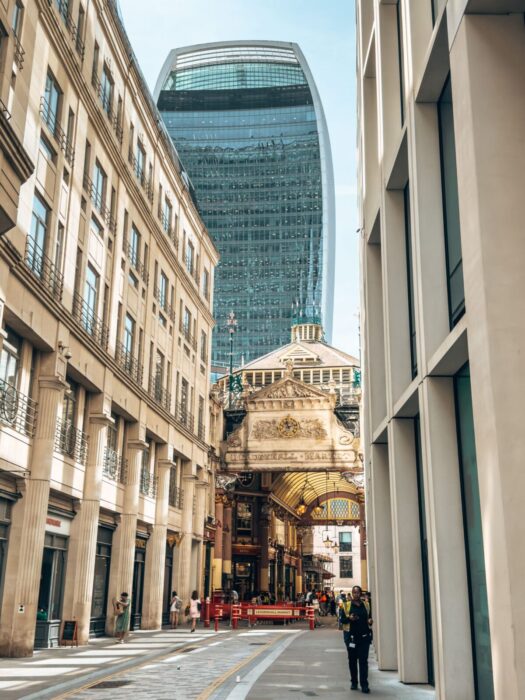
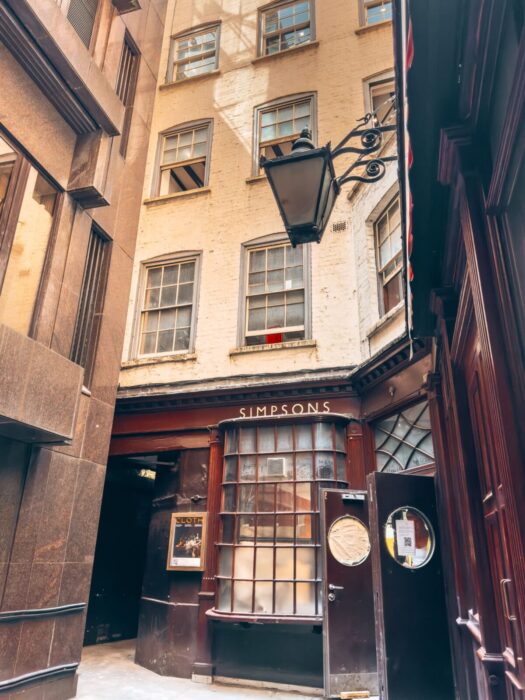
Tucked between the City’s glass skyscrapers are tiny historic alleyways. They’re very easy to miss, but if you’re in the City, go and find some. It’s one of the free activities to do in London that most visitors never know about. We love the contrast between old and new and the reminder of how much London has changed over the centuries.
Bengal Court is the narrowest alley in the City of London. It runs beside the George & Vulture pub, which has roots dating back to 1142. Dickens mentions it in The Pickwick Papers. The pub is said to be named after a wine merchant who tied a live vulture outside to turn heads.
Nearby, Change Alley was where London’s coffee houses became an early home for trading shares, which helped lay the groundwork for the London Stock Exchange.
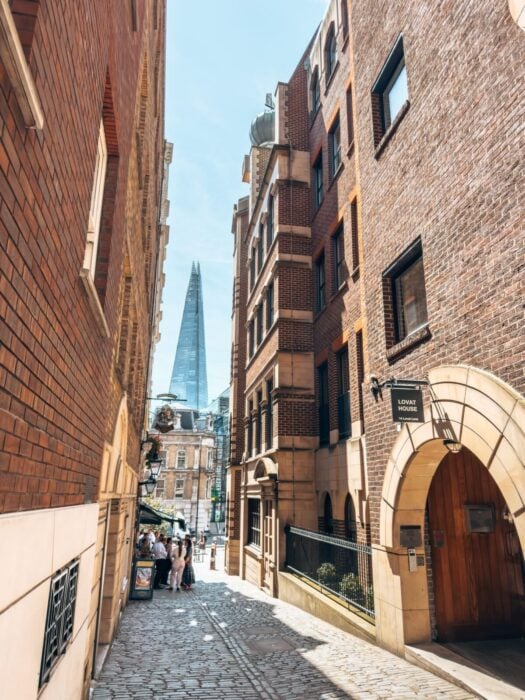
Lovat Lane, near Monument, is a curving cobbled lane with the Shard perfectly framed between the old buildings.
Outernet is an immersive entertainment district right next to Tottenham Court Station. Its Now Building has four-storey LED screens wrapping around you with art, music and film.
It’s free to walk in with no booking.
It was built to bring new life to this corner of the West End, with music venues and public space around the screens. It’s one of the best free things to do in London at night, as the screens look best after dark.
It’s always busy, but it’s a cool concept. You’ll probably walk past it at some point, so there’s no need to go out of your way to see it.


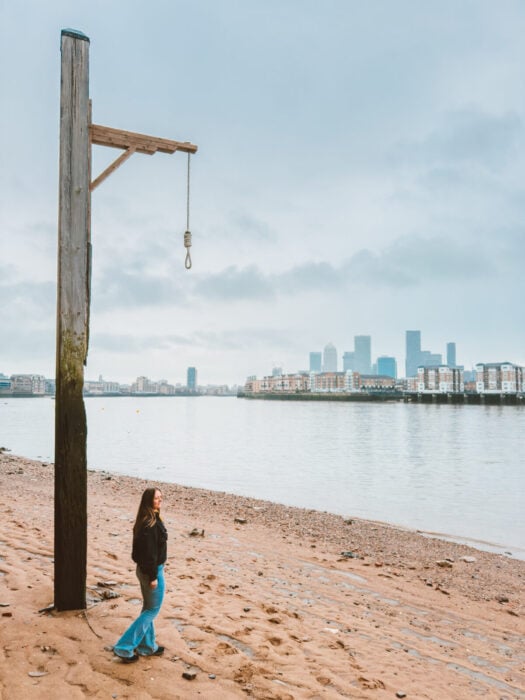
For over 400 years, pirates, smugglers and mutineers were hanged at Execution Dock on the Thames foreshore in Wapping, at low tide. Their bodies were left until 3 tides had washed over them, and the last hangings were in 1830. It’s one of the most interesting things to do in London for free.
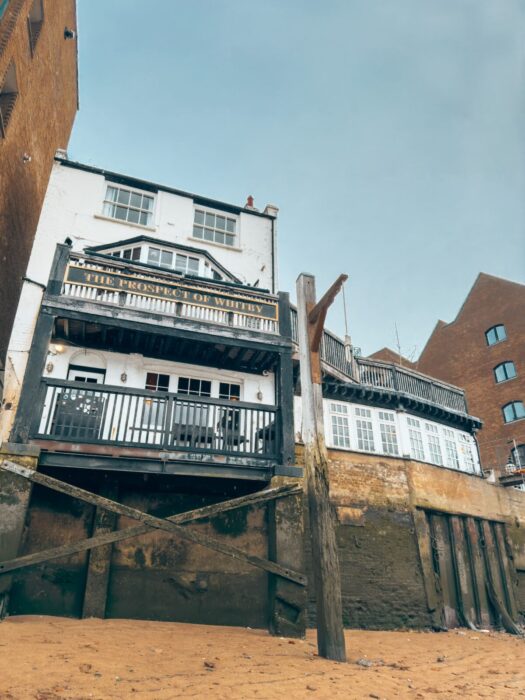
Today, a noose hangs over the beach behind the Prospect of Whitby, London’s oldest riverside pub, dating back to around 1520. It’s a replica, and no one is sure exactly where the original gallows stood.
The tide needs to be out to get down to the beach beside the pub, so check the tide times before you go, and never go down at high tide.
We love the contrast of old and new here. It feels quite strange to stand under a gallows and look at the futuristic skyline of Canary Wharf.
Combine it with a Thames Path walk from Canary Wharf to St Katharine Docks, which passes through Wapping.
London’s markets are free to wander, and most have a lovely atmosphere. Some are worth it, and some are overhyped.
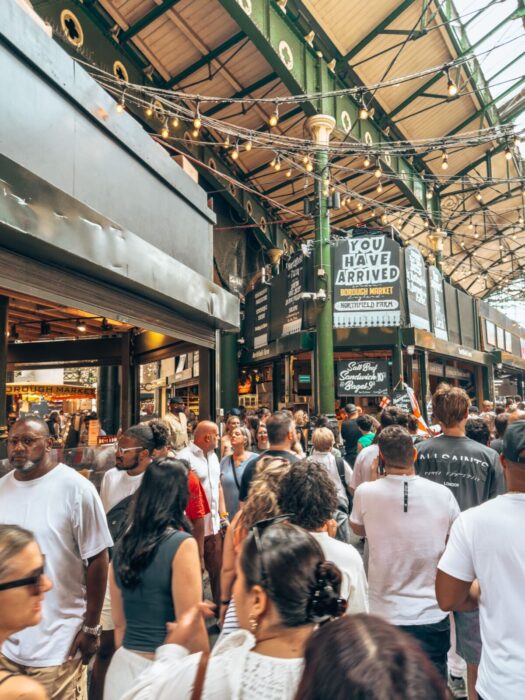
Borough Market is London’s foodie market, in a cool location under the railway arches. It’s also overpriced and overhyped these days. You’ll pay almost £10 for a small plastic pot of strawberries and chocolate!
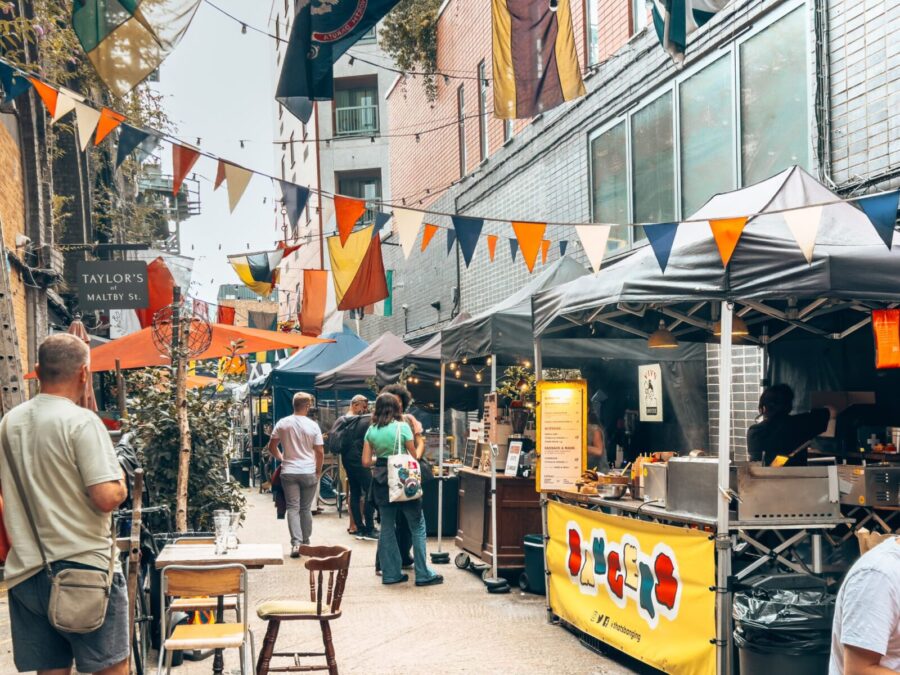
Maltby Street Market, a short walk away in Bermondsey, is much better for food and price. It’s open Saturdays and Sundays, plus Friday evenings in summer.
Victoria Park Market (Sundays), Broadway Market (Saturdays) and Greenwich Market are all lovely community markets. Camden Market is incredibly busy, and it can be hard to move, but the food is amazing, and there are some really cool shops. Avoid it if you don’t like crowds.
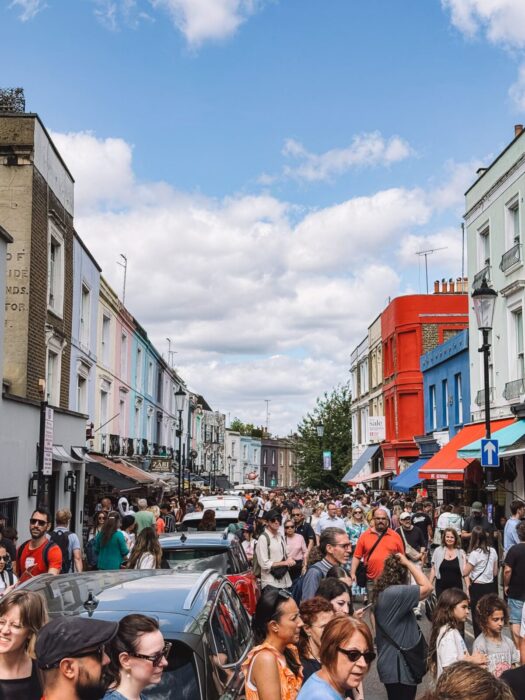
Portobello Road Market in Notting Hill is lovely, but it’s exceptionally crowded and touristy. The main market days are Friday and Saturday, and in summer, it’s a real struggle to walk down the street. January to March is much quieter. You can combine Portobello Road with a few hours in Notting Hill, wandering some of London’s most colourful streets.
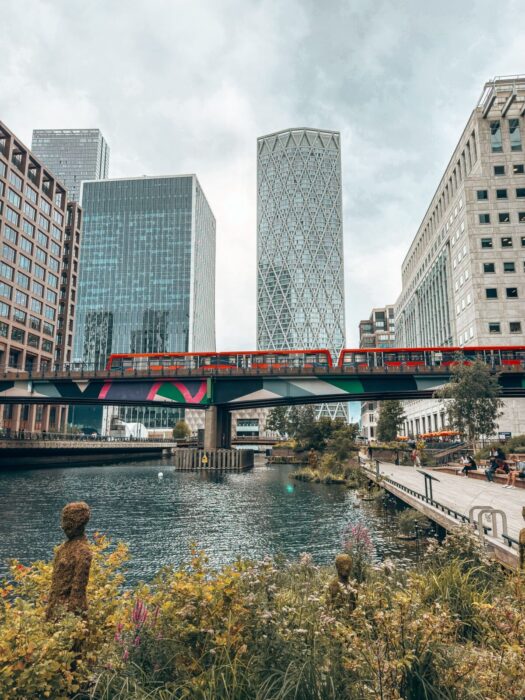
Eden Dock is a peaceful floating garden in the middle of Canary Wharf’s skyscrapers. It was created with the Eden Project as an example of how cities can boost wildlife. Floating gardens and boardwalks now attract birds, bees and eels.
It’s free and open daily from sunrise to sunset, right outside the main Canary Wharf Station exit. During the summer, there’s open water swimming and yoga at the water’s edge. Eden Dock is one of the most peaceful free things to visit in London. I love all the greenery amid the busyness of Canary Wharf.
The Changing of the Guard is the ceremony where the King’s Guard hands over duty of protecting Buckingham Palace and St James’s Palace to the New Guard. A military band plays, and the drill is precise.
It’s one of the classic things to do in London for free, though it’s quite underwhelming, and it draws huge crowds. But if you’re a fan of the monarchy, it’s worth seeing.
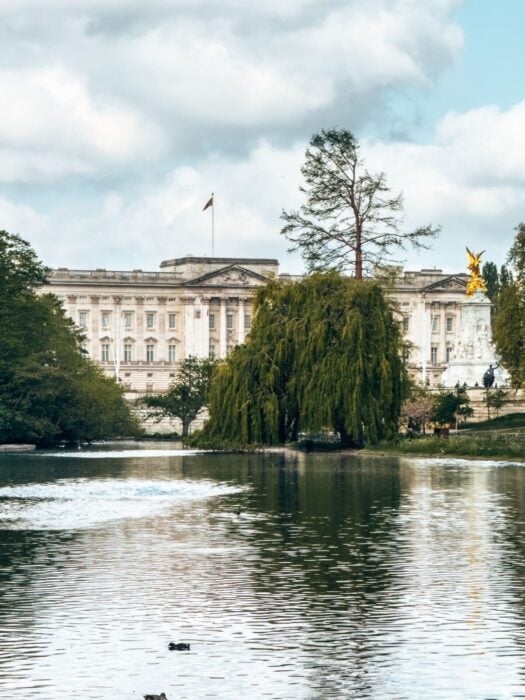
If you’re not bothered about the ceremony, the best view of Buckingham Palace is from the Blue Bridge in St James’s Park. It’s framed by the trees and is a more enjoyable experience than the crowds at the gates. Turn around to also see the London Eye.
It doesn’t happen every day, so check the schedule before you go.
We love doing a free walking tour whenever we get to a new city.
It’s one of the best free activities in London on your first day, as it helps you get your bearings and learn about the city. You can also ask the local guide for food and drink recommendations and any other suggestions to see a more local side of the city.
Companies that run them in London include Strawberry Tours, Free Tours by Foot and London with a Local. Book in advance, even though they’re free.
Our Top Tip: Although tours are free, guides expect a tip based on what you think the tour was worth.
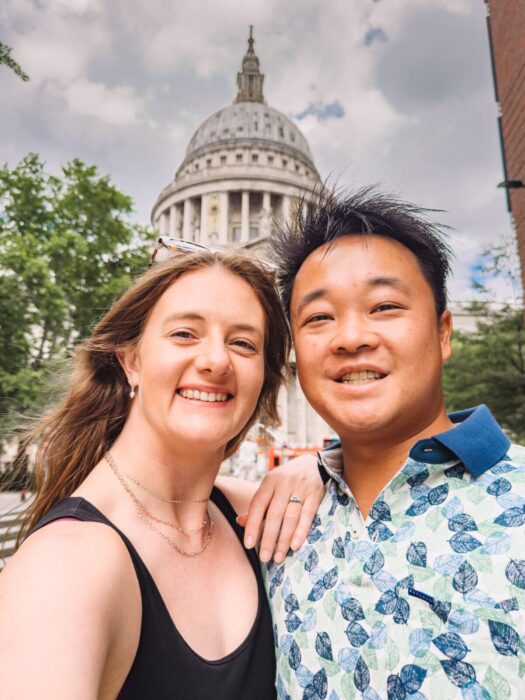
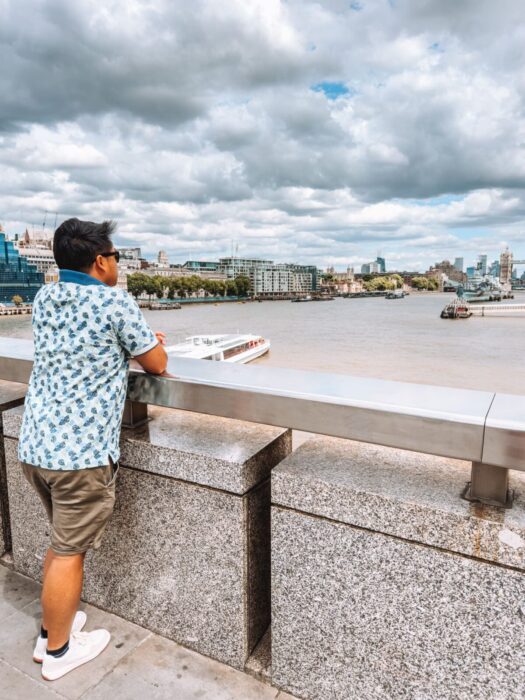
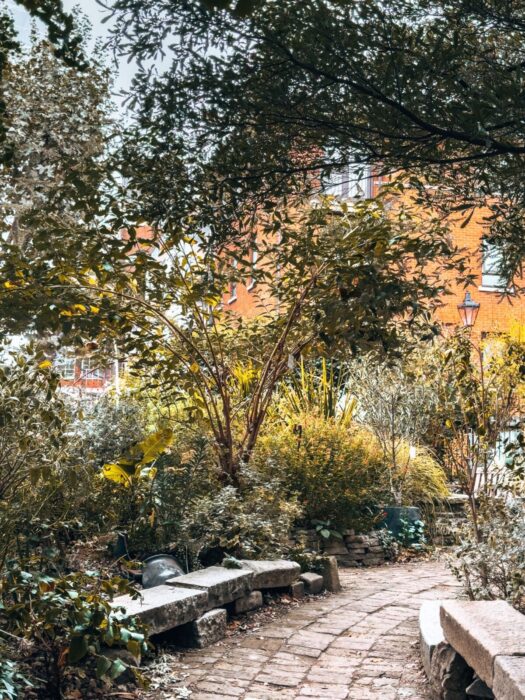
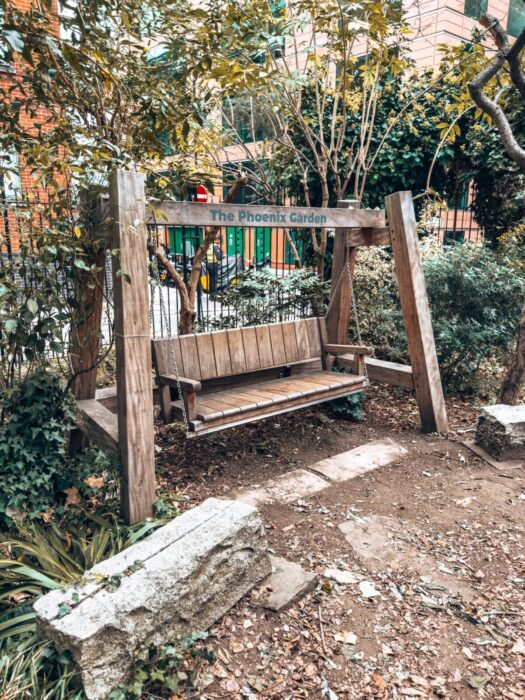
The Phoenix Garden is a community garden tucked behind the Phoenix Theatre, between Soho and Covent Garden. It was built in 1984 on a former bomb site and car park, and it’s the last of Covent Garden’s original 7 community gardens. Volunteers run it, and it’s free to visit.
It’s one of the quietest free places to visit in London, hidden among the busy city streets. Often, people walk straight past it without noticing. The entrance is on St Giles Passage. Be respectful when you visit. People come to sit quietly on the benches among the trees.
The best way to see the city is on foot, and it’s one of the easiest things to do in London for free. Central London is much more compact than you think. You can walk between most of the main sights in a couple of hours. If you’d like these sights in a ready-made route, our weekend in London itinerary fits a lot into 2 days. Our 4-day London itinerary covers even more.
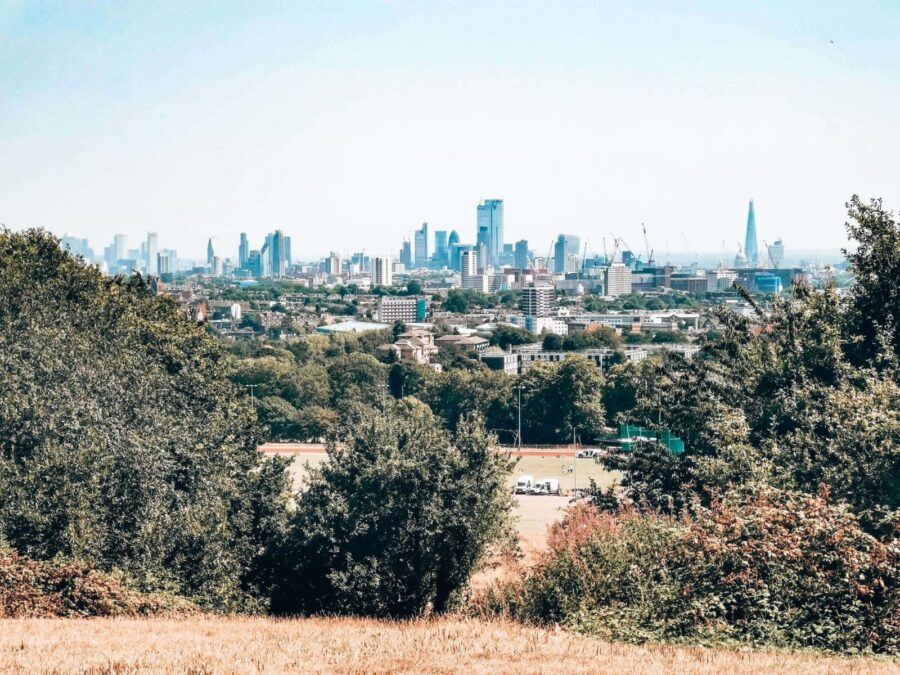
There are also great walks outside the centre. The Parkland Walk follows a disused railway line turned nature reserve in north London. A walk through time runs from London’s future in Canary Wharf to its past in Wapping and St Katharine Docks. Hampstead Village and Hampstead Heath can be made into a full day out.
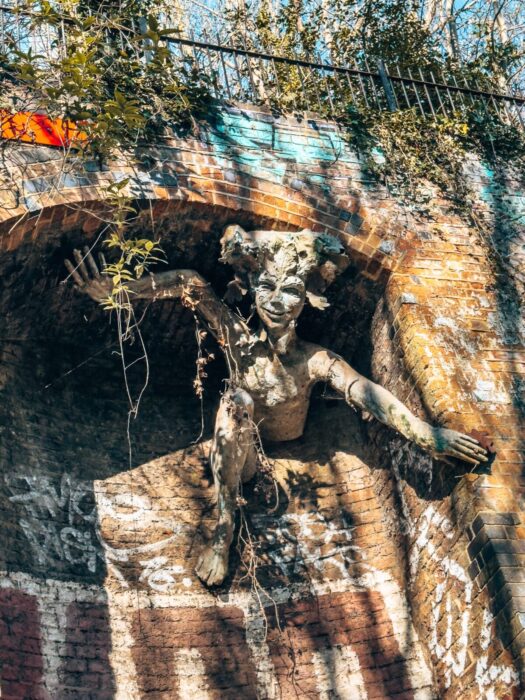
London is full of beautiful big parks, and they’re a great way to escape the city without leaving the city. If you need a break from the hustle and bustle, you’re never far from some green space.
Controversially, we wouldn’t recommend Hyde Park. There’s nothing special about it, and it’s always busy. Regent’s Park is our go-to central London park with its beautiful gardens that change with the seasons.
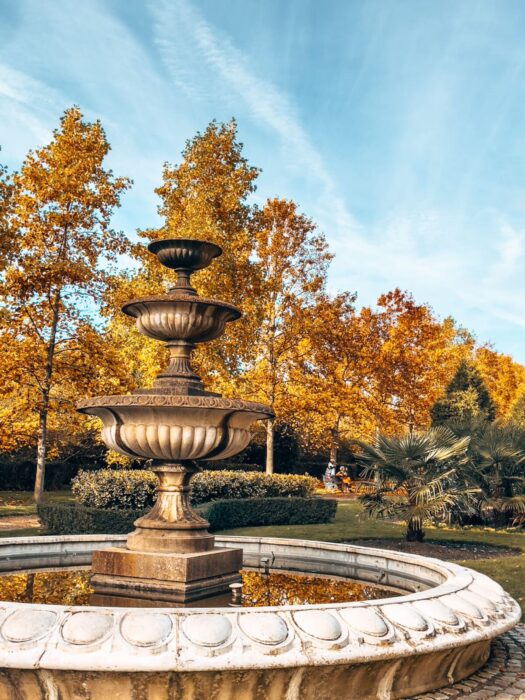
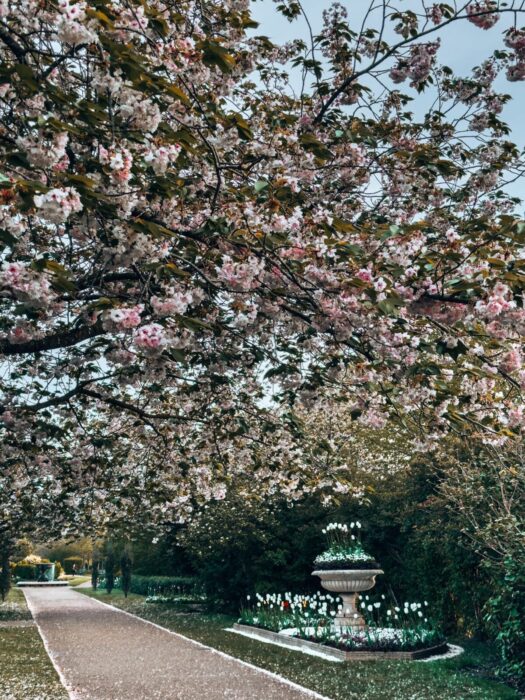
Our favourite is Victoria Park in East London, the People’s Park, which was our local when we first moved here. It opened in 1845 after a petition to Queen Victoria signed by 30,000 people to improve public health and provide green space in the overcrowded East End.
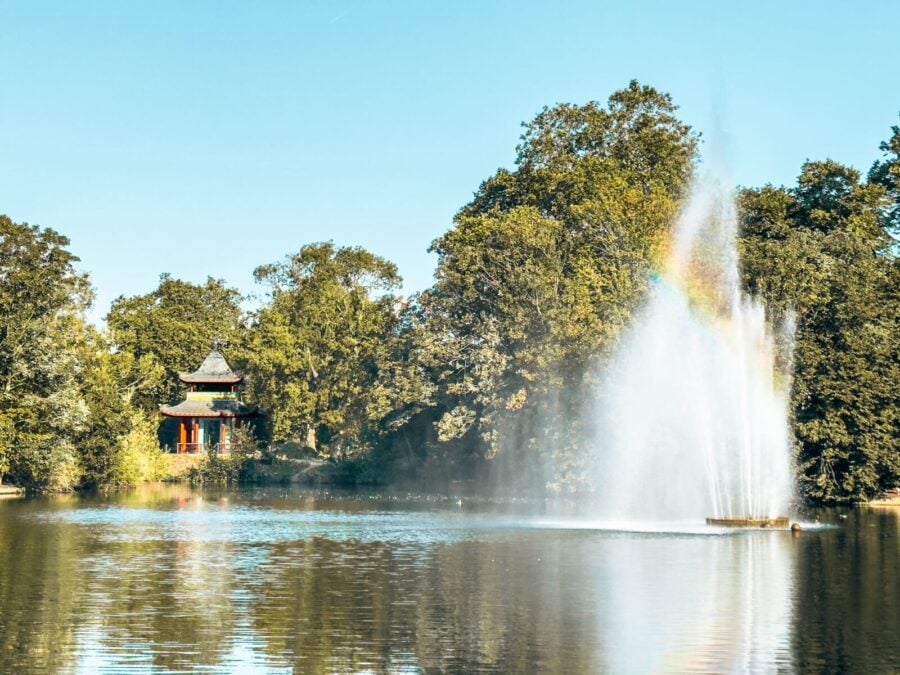
Today it has 2 lakes, a Chinese pagoda on an island in West Lake and a bandstand. The Burdett-Coutts drinking fountain is one of London’s largest.
We love the Pavilion Cafe overlooking the boating lake for a delicious Sri Lankan breakfast.
Hampstead Heath is a gorgeous park with wide tree-lined paths, swimming ponds and Parliament Hill, which has one of the best views of the skyline. The Heath is free, but swimming costs a few pounds. In summer, book online in advance; in the winter, you can pay on arrival.
Battersea Park is a Victorian riverside park on the south bank of the Thames. A promenade runs along the water, with views of Albert Bridge and the chimneys of Battersea Power Station.
If you’re a Harry Potter fan, this is one of the best free activities to do in London. It was one of the first things we did when we moved here.
Taking your own photo is free, but there’ll probably be a queue that could take between 45 minutes and an hour (even longer in school holidays). To skip the worst of it, go first thing in the morning or in the evening, when the queue is shorter.
A professional photo is also available, but it costs extra. The Harry Potter shop next door is free to browse, but it can be crowded.
The Warner Bros. Studio is the next step for any fan. You walk through the sets, props and costumes from the films, ride a broom against the green screen and try Butterbeer. You also board the Hogwarts Express at Platform 9¾, with a much smaller queue for the trolley photo.
If you’re in London at Christmas, it’s even more magical, with Hogwarts dressed up for the season. The Great Hall has Christmas trees, a feast and floating candles, and the Forbidden Forest, Diagon Alley and the Hogwarts castle model are covered in snow. We absolutely love it and have been 3 times, all at Christmas.
Tickets are likely to sell out, so book ahead.
Start with the things to do in London for free that never change, like museums, parks, viewpoints and street performers. For events, Time Out London and Visit London list free things each day.
Our Local’s Map of London also has every place in this guide pinned, with free places marked as free, so you can see what’s close by.
A few, yes. The Sky Garden, Horizon 22 and The Lookout don’t need to be booked; however, it’s advisable so you don’t need to queue for ages (there’s also no guarantee you’ll get in if you queue). Free walking tours also need booking.
The Post Building needs photo ID but no ticket. The Garden at 120, Platform 9¾, Outernet and the museums don’t need to be booked, though it’s worth booking a free timed slot at the British Museum in busy periods.
Yes, London is very easy to visit on a budget. There are so many activities in London for free that getting around is the next biggest saving.
Do not get a travelcard for public transport. Contactless caps at £8.90 a day in Zones 1 and 2, and a bus journey costs £1.85. Santander Cycles cost £1.65 for a 30-minute pedal bike ride, or £3.50 for a Day Pass with unlimited rides of up to 60 minutes. Santander e-bikes cost £3 for 30 minutes. Lime e-bikes cost £1 to unlock plus around 33p a minute, so they suit short hops.
Where you sleep is the highest cost. Staying outside Zone 1 saves money, and Walthamstow, Stratford and Brixton are all around 15 to 25 minutes from Oxford Circus by tube. They’re all great bases with their own little communities, shops, cafes, bars and restaurants.
For a central stay, the Ridgemount Hotel in Bloomsbury and the Z Hotel Trafalgar in the West End are both well rated for the price. If you’re visiting at the weekend, the City of London sometimes has some great deals as it’s a bit of a ghost town.
Yes. The permanent collections at the Natural History Museum, Tate Modern, V&A and British Museum are free, though special exhibitions are ticketed. Donations are welcome, and at busy times it’s worth booking a free timed slot at the British Museum.
Head indoors. The museums are the obvious choice, and the Natural History Museum is a good one. Plenty of other activities in London for free are under cover too, including Outernet’s screens, Leadenhall Market, and Platform 9¾. The Sky Garden, Horizon 22 and the Lookout are indoors too, but you’ll be queuing outside if you don’t have a ticket.
Several of the free viewpoints stay open late enough to see London lit up, but check the hours first, as they change. In winter, the sun sets just before 4pm, so a viewpoint that closes at 5pm or 6pm still shows you the city after dark. In summer, the Sky Garden stays open until 9pm at weekends, and The Lookout is open until 9pm on Mondays and Fridays.
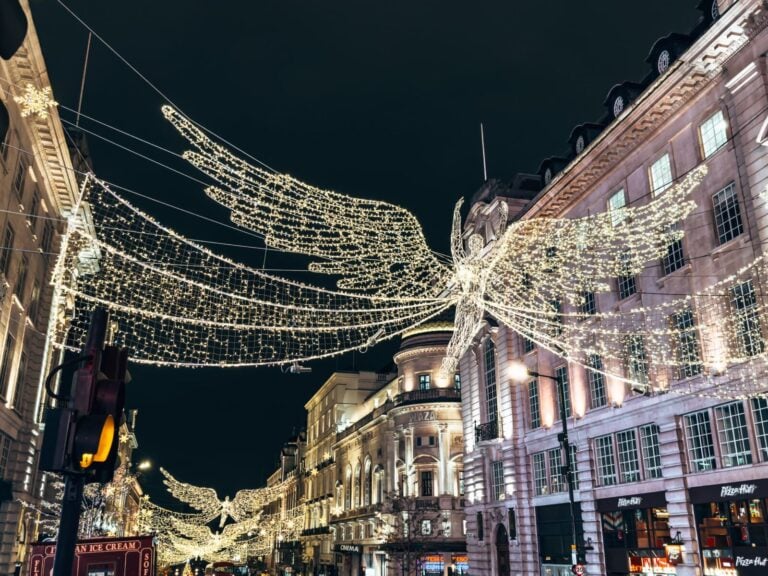
Tower Bridge looks great lit up. Outernet’s screens are more spectacular after dark, and Piccadilly Circus looks better at night. Leadenhall Market has a buzz after work on weekdays, and the queue for Platform 9¾ is usually shorter at night.
Our picks are the Seven Noses of Soho (a treasure hunt for noses on walls), the Philpot Lane Mice (London’s smallest sculpture), Execution Dock, Leake Street Tunnel (a legal graffiti tunnel), and God’s Own Junkyard.
We hope you enjoyed our list of great free things to do in London. If you have any questions or want some local recommendations, leave a comment below.
Looking for more London inspiration? Browse our other London guides below. And follow us on Instagram for more guides, behind-the-scenes fun, and to stay up to date with our life in London in real time 😊.